75% of Ugandans under 30, the MTN Spark Hub aims to shift youth from job seekers to job creators
By Our Reporter
Kabale — MTN Uganda, through the MTN Foundation Uganda, has handed over a regional innovation hub to Kabale University, marking a significant step in expanding digital skills and entrepreneurship among young Ugandans.
The facility, developed in partnership with the Ministry of ICT and National Guidance and Centenary Technology Services, is part of the MTN ACE initiative, under which Shs4 billion will be invested over three years to establish four regional hubs and refurbish the National ICT Innovation Hub in Nakawa, Kampala.
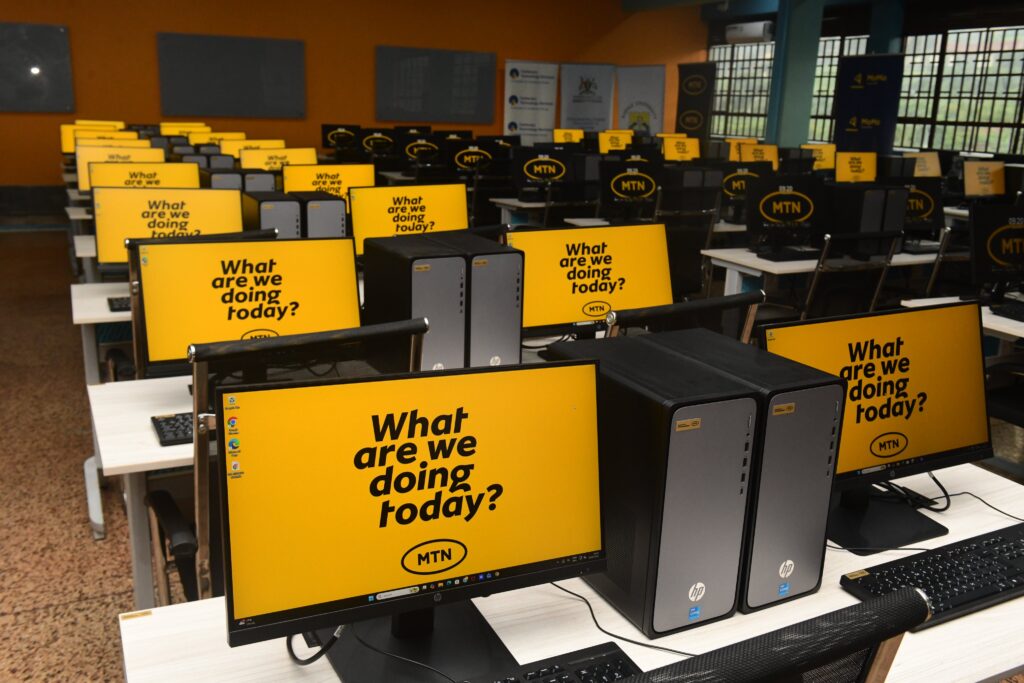
Known as the MTN Spark Hub, the Kabale facility is fully equipped with computers, LAN connectivity, CCTV systems, and collaborative workspaces designed to break away from traditional classroom settings.
With open layouts, flexible furniture, and creative zones, the hub is intentionally structured to encourage experimentation and collaboration. For students and surrounding communities, it represents more than a digital lab—it is a space built to inspire new ways of thinking and problem-solving.
...
75% of Ugandans under 30, the MTN Spark Hub aims to shift youth from job seekers to job creators
By Our Reporter
Kabale — MTN Uganda, through the MTN Foundation Uganda, has handed over a regional innovation hub to Kabale University, marking a significant step in expanding digital skills and entrepreneurship among young Ugandans.
The facility, developed in partnership with the Ministry of ICT and National Guidance and Centenary Technology Services, is part of the MTN ACE initiative, under which Shs4 billion will be invested over three years to establish four regional hubs and refurbish the National ICT Innovation Hub in Nakawa, Kampala.
Known as the MTN Spark Hub, the Kabale facility is fully equipped with computers, LAN connectivity, CCTV systems, and collaborative workspaces designed to break away from traditional classroom settings.
With open layouts, flexible furniture, and creative zones, the hub is intentionally structured to encourage experimentation and collaboration. For students and surrounding communities, it represents more than a digital lab—it is a space built to inspire new ways of thinking and problem-solving.
The Kabale hub is the first in a planned network that will extend to Busitema, Gulu, and Soroti universities. Once operational, the hubs are expected to serve more than 20,000 students and community members nationwide.
Aminah Zawedde described the initiative as a practical step in implementing Uganda’s Digital Transformation Roadmap.
“Uganda’s Digital Transformation Roadmap is clear: we need innovation and digital skills infrastructure that reaches every region of this country, not just Kampala. The Kabale Spark Hub is exactly what the roadmap calls for, a facility that gives young Ugandans the tools, the connectivity, and the environment to become creators and innovators rather than job seekers. The Ministry is committed to supporting every initiative that turns that vision into reality,” she said.
The roadmap targets 90 percent broadband coverage and prioritises youth digital skilling as a core pillar, positioning innovation hubs as key delivery platforms.
William Bazeyo said the investment reflects a deliberate push to decentralise digital infrastructure and opportunity.
“At MTN Uganda, we believe that everyone deserves the benefits of a modern, connected life. Through the MTN ACE Programme, we are expanding access to digital skills and opportunities so young people across Uganda can innovate and shape their future. Talent is widely distributed,
even where access is not, and by investing in digital infrastructure, skills development, and collaborative spaces, we are enabling young people to turn ideas into viable solutions, businesses, and jobs that drive economic growth,” he said.
He added that the Shs4 billion investment aligns with Uganda’s development priorities, including job creation and the growth of a knowledge-based economy.
Joy Kwesiga welcomed the hub as a transformative addition to the university’s learning environment.
“Kabale University has always been committed to nurturing talent that serves not just the institution but the wider community. The MTN Spark Hub gives our students and the communities around us something we have not had before: a physical space designed for innovation, equipped with the tools to make ideas real, and connected to the global digital economy through high-speed LAN and internet access. This facility will strengthen our ability to translate ideas into practical solutions and to produce graduates the economy needs,” she said.
The hub was designed and delivered by Centenary Technology Services, with a focus on creating an environment that fosters creativity rather than replicating conventional computer labs.
Peter Kahiigi said the design philosophy prioritises both functionality and inspiration.
“We made a deliberate decision not to build another computer lab. The Kabale MTN Spark Hub has been designed as a creative ecosystem, LAN-connected workstations sit alongside open collaborative zones, flexible breakout spaces, and visual environments that break every convention of what a learning room is supposed to look like. The air conditioning and CCTV give it comfort and security. When a young person walks into this space, the room itself tells them: think differently. Build something. The world is waiting,” he said.
The MTN ACE Programme, launched in 2022, has already supported innovations such as KaCyber, an online public transport ticketing platform, and RideLink, an AI-powered logistics system supporting trade and small businesses.
The expansion into regional hubs reflects a broader shift—taking innovation infrastructure beyond Kampala and embedding it within university communities where talent is abundant but access has been limited.
With Uganda’s youthful population and rising unemployment, stakeholders say such investments are critical to equipping young people with the skills, tools, and environment needed to create jobs, build enterprises, and drive inclusive economic growth.