By Our Reporter
Kampala — Mawokota South Member of Parliament Yusuf Nsibambi has formally crossed from the opposition Forum for Democratic Change to the ruling National Resistance Movement, a development that analysts say underscores growing instability within opposition ranks. Nsibambi has also been serving as FDC’s Deputy President for Central region.
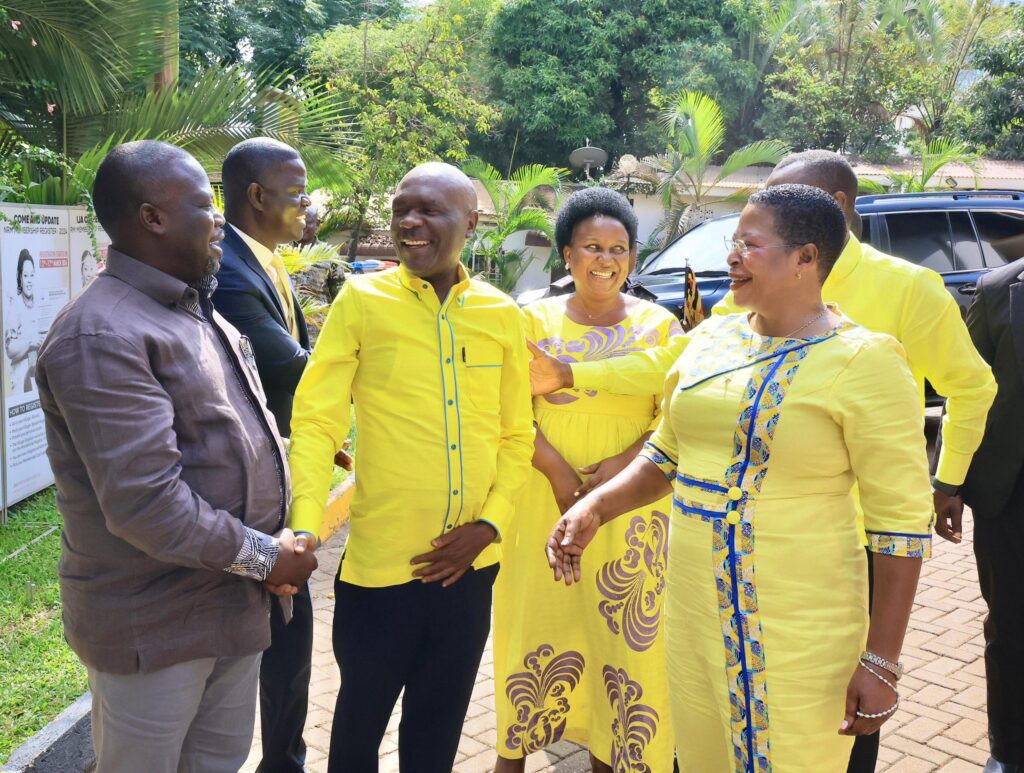
Nsibambi was introduced at the NRM headquarters in Kampala after being received by the party’s Second National Vice Chairperson (Female), Anita Among, who said his decision reflected confidence in the ruling movement’s national agenda.
NRM Secretary General Richard Todwong welcomed the legislator and encouraged him to mobilize additional opposition Members of Parliament willing to join the party, emphasizing that the NRM remains open to leaders ready to work within its structures.

The defection comes shortly after Nsibambi participated in a State House meeting where he, alongside several opposition politicians, held discussions with President Yoweri Museveni.
The engagement sparked immediate criticism from sections of the opposition, with some leaders warning that direct talks with the President without broader consultation risked weakening the opposition’s collective negotiating strength and deepening internal divisions.
...
By Our Reporter
Kampala — Mawokota South Member of Parliament Yusuf Nsibambi has formally crossed from the opposition Forum for Democratic Change to the ruling National Resistance Movement, a development that analysts say underscores growing instability within opposition ranks. Nsibambi has also been serving as FDC’s Deputy President for Central region.
Nsibambi was introduced at the NRM headquarters in Kampala after being received by the party’s Second National Vice Chairperson (Female), Anita Among, who said his decision reflected confidence in the ruling movement’s national agenda.
NRM Secretary General Richard Todwong welcomed the legislator and encouraged him to mobilize additional opposition Members of Parliament willing to join the party, emphasizing that the NRM remains open to leaders ready to work within its structures.
The defection comes shortly after Nsibambi participated in a State House meeting where he, alongside several opposition politicians, held discussions with President Yoweri Museveni.
The engagement sparked immediate criticism from sections of the opposition, with some leaders warning that direct talks with the President without broader consultation risked weakening the opposition’s collective negotiating strength and deepening internal divisions.
Several figures aligned to the FDC openly questioned the move at the time, arguing that such unilateral engagements could erode trust within opposition formations and provide a strategic advantage to the ruling establishment as opposition parties attempt to reorganize following recent electoral contests.
Nsibambi’s decision carries additional political weight given his earlier involvement in opposition mobilization campaigns alongside veteran opposition leader Kizza Besigye, where he played a visible role in political organizing across central Uganda.
His departure is therefore viewed by observers as both a personal political shift and a symbolic setback for opposition forces already grappling with defections and internal disagreements.
The crossover also aligns with an increasingly assertive narrative from the ruling establishment that opposition fragmentation will significantly weaken its effectiveness over the coming years. Senior NRM figures, including Museveni, have repeatedly suggested that continued divisions within opposition parties could leave them severely diminished ahead of the 2032 electoral cycle.
FDC leadership had not commented on Nsibambi’s latest move by press time.